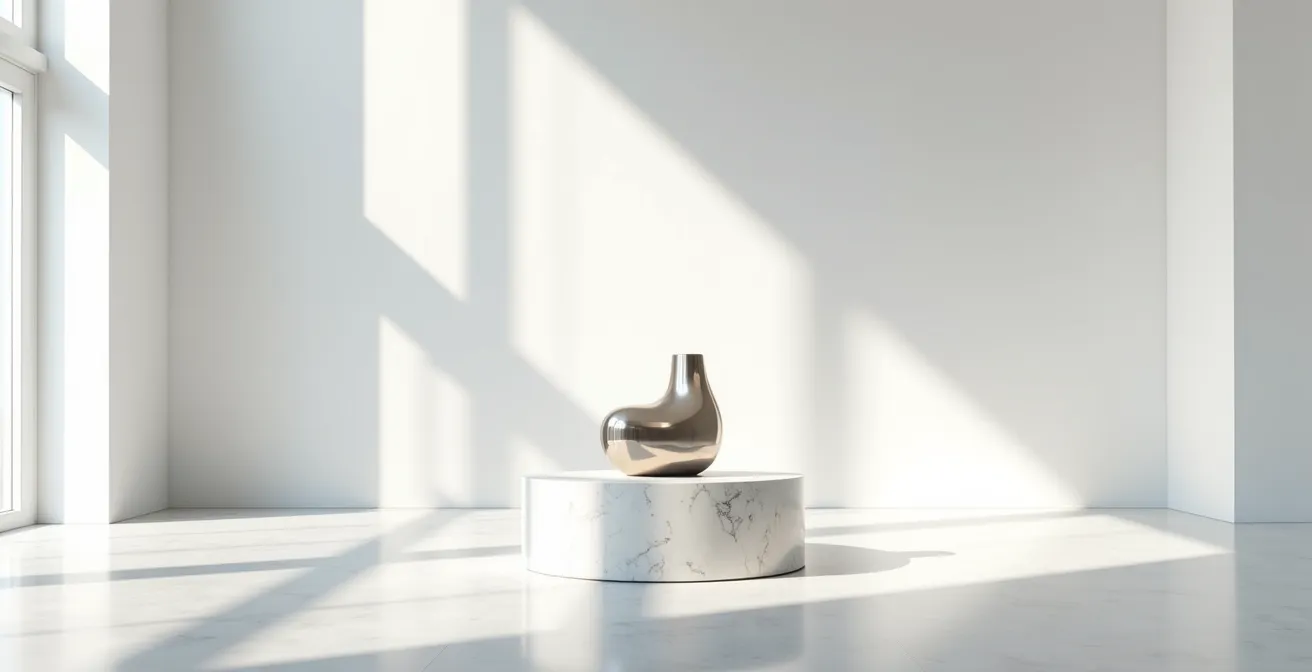
The secret to a luxurious home isn’t acquiring more expensive items—it’s strategically curating and displaying the ones you already own.
- Clutter arises when investment pieces are treated like generic decor, competing for attention instead of commanding it.
- Authenticity, craftsmanship, and “visual respiration” (negative space) are what transform an object into a statement.
Recommendation: Shift your mindset from decorating (filling space) to curating (telling a story), and your home will instantly feel more composed and luxurious.
You have an impeccable eye. You’ve invested in beautiful, expensive objects—a sculptural vase, a designer chair, a piece of art. Yet, when you look around your home, the feeling isn’t one of luxury, but of… clutter. It’s a common frustration for design lovers: owning a collection of stunning pieces that somehow cancel each other out, creating visual noise rather than a harmonious composition. The typical advice to “create vignettes” or “group in threes” often falls short, failing to address the root of the problem.
These common decorating tips treat all objects as equal. But an investment piece is not the same as a generic ornament. It possesses a narrative, a material integrity, and a presence that demands its own space. The clutter you perceive is the result of your most valuable pieces being forced to shout over a crowd of lesser items. What if the solution wasn’t about rearranging, but about rethinking the very role of these objects in your home?
This guide moves beyond surface-level styling. We will explore the philosophy of curation, not decoration. We’ll delve into why a single, authentic piece has more power than a dozen generic ones, how to identify true quality, and the critical display techniques that give your accessories the spotlight they deserve. The goal is to stop filling space and start telling a story—a story where your cherished possessions are the protagonists.
This article provides a complete framework for transforming your approach. We will cover the essential principles of selection, the importance of authenticity, professional display methods, and how to keep your space feeling fresh and timeless. Follow along to unlock the secrets of a truly curated home.
Contents: Styling Your Prized Possessions with a Curator’s Eye
- Why one statement piece is worth ten generic ornaments?
- How to spot a fake Eames bird at a flea market?
- Original vs Replica: is the quality difference visible to guests?
- The display mistake that makes expensive vases look like cheap knick-knacks
- How to rotate your accessory collection to keep the room fresh?
- How to create a modern look that won’t feel dated in 5 years?
- Why a hand-stitched wallet lasts 10 years longer than a glued one?
- How to use flow and color to alter the perceived size of rooms?
Why One Statement Piece Is Worth Ten Generic Ornaments?
The difference between a curated space and a cluttered one lies in the concept of visual hierarchy. A room filled with ten equally “interesting” items has no focal point, forcing the eye to jump from one object to another without rest. The result is visual chaos. A single statement piece, however, acts as an anchor. It tells the eye where to look and establishes a clear narrative for the space. Its value isn’t just aesthetic; it’s structural.
Consider the iconic Eames House Bird. Charles and Ray Eames used this piece of American folk art in their own home, moving it around as part of their ever-changing “collage” of objects. It wasn’t just another ornament; it was an object with a story, a specific provenance that gave it meaning. One such piece carries more weight and personality than a shelf of mass-produced decor because it has an object narrative. It invites curiosity and conversation.
To achieve this effect, you must be disciplined in your selection. The goal is to choose one “hero” per area. This doesn’t mean your room must be empty, but that other items should play a supporting role. If you have a dazzling pair of sculptural lamps, allow them to shine by keeping the rest of the console table understated. This “rule of one” is the foundation of confident styling. The key is to align your statement piece with your personal style, ensuring it feels like an authentic extension of you, not a trend you’re chasing.
How to Spot a Fake Eames Bird at a Flea Market?
Distinguishing an authentic design piece from a convincing fake is less about memorizing details and more about understanding the philosophy of the original design. It’s a study in material honesty. As Charles Eames famously put it, “The details are not the details. They make the design.” This is the key to authentication. For an object like the Vitra-produced Eames bird, the authentic version is carved in Germany from solid alder wood. A fake might be made of resin or a cheaper, lighter wood, and the difference is palpable.
Before you even look for labels, train your eye and hand. The best way to learn is to, as design experts advise, study the real thing. Visit a licensed dealer and hold the authentic object. Feel its weight, the smoothness of the lacquer, the subtle imperfections of the natural material. A replica often feels too light, too perfect, or has a plasticky sheen. The beauty of a genuine piece is in the integrity of its materials.
This principle applies to all iconic designs. The legs of an authentic Eames Lounge Chair, for example, are made from die-cast aluminum—a solid, heavy piece. Replicas often use hollow or lower-grade metals. When examining a piece, look for this commitment to quality materials. The grain of the wood, the quality of the metal, the finish—these are the details that make the design.
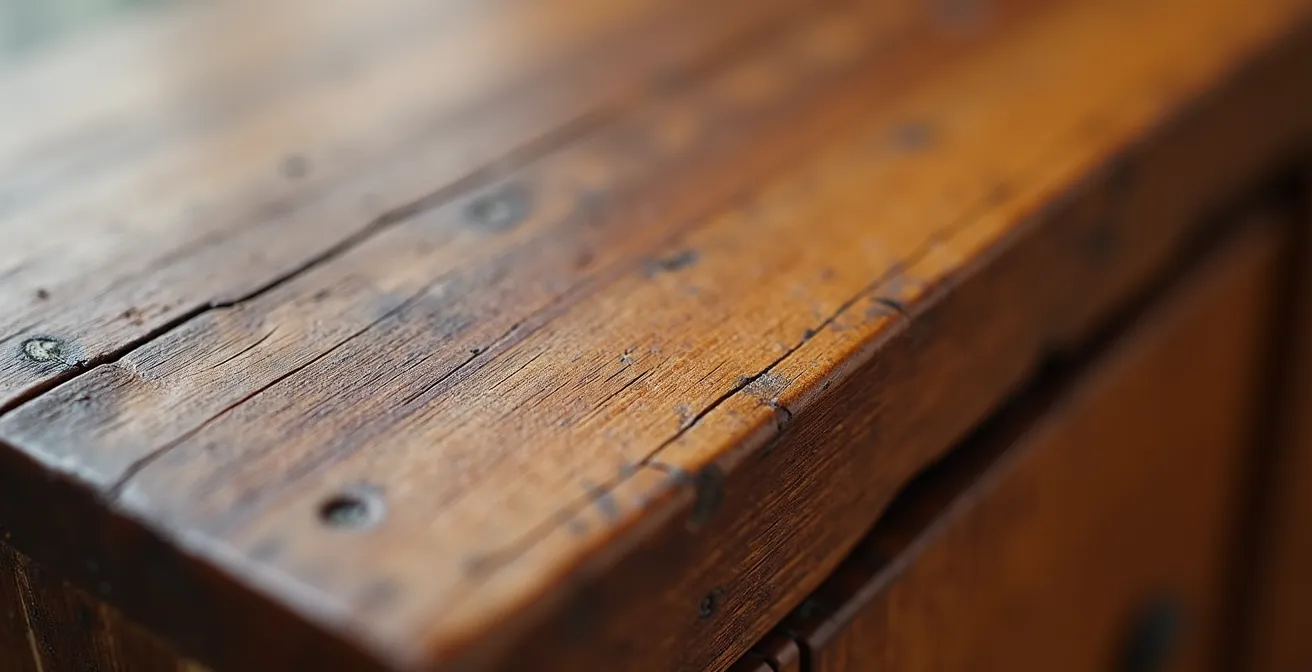
Look closely at the surface. Authentic pieces made from natural materials like wood will show an intricate, non-repeating grain. You can almost feel the texture and density just by looking. This level of detail is a testament to its quality and is nearly impossible to replicate with cheap materials. The more you familiarize yourself with what real quality looks and feels like, the more a fake will feel “off.”
Original vs Replica: Is the Quality Difference Visible to Guests?
The short answer is yes, absolutely. While a guest may not be able to name the designer or the year of production, the difference between authentic quality and a cheap replica is perceived on a subliminal level. It’s the difference between an object that has presence and one that is merely a placeholder. An original Eames office chair, for instance, uses top-tier materials like high-quality leather and a strong aluminum frame. Replicas often substitute these with cheap plastics and synthetic leather, which not only look inferior but also compromise comfort and durability.
This sensory difference is where true luxury lies. An original piece has a certain heft, a rightness to its proportions, and a surface that begs to be touched. A replica often feels hollow, looks slightly “off” in its dimensions, and its materials can feel cold or artificial. This isn’t about snobbery; it’s about the tangible experience an object provides. But the most significant differentiator is something a replica can never possess: patina.
As the renowned Eames expert Daniel Ostroff states in a piece for An Eames of Your Own, the value of authenticity grows over time.
Having something with honest patina is even better than having a piece in mint condition.
– Daniel Ostroff, An Eames of Your Own – The Eames Institute of Infinite Curiosity
An “honest patina” is the story of an object’s life written on its surface—the gentle wear on a leather armrest, the subtle darkening of wood. It’s a mark of authenticity and history that cannot be faked. A guest may not consciously register why your chair feels more inviting or your accessory more substantial, but they will perceive the confidence and integrity it brings to the room. A replica will always feel like a compromise, whereas an original piece is a statement of value.
The Display Mistake That Makes Expensive Vases Look Like Cheap Knick-Knacks
The single most common mistake I see as a stylist is the denial of negative space. You can own the most exquisite, museum-quality vase, but if it’s crowded onto a shelf with a dozen other items, its value is nullified. It becomes part of the background noise. This is the mistake: treating your investment pieces like they are part of a group, when they are meant to be the main event.
Think of negative space—the empty area around an object—as a frame. A masterpiece in a gallery is never hung inches away from another painting. It is given room to command attention. This concept, which I call visual respiration, is crucial for luxury accessories. You must create dedicated space around each piece to allow it to “breathe.” This signals its importance and draws the eye directly to it.
The trick is to choose one hero item at a time for any given surface. If your console table features a stunning sculpture, the only other items on that table should be functional or extremely subtle, like a small tray for keys or a stack of curated books. They are the supporting cast, not co-stars. Group your expensive pieces only with items of similar quality and provenance. An expensive crystal vase will look cheap if it’s placed next to a plastic photo frame. Curate the entire scene with intention, ensuring every object contributes to the protagonist’s story rather than detracting from it.
How to Rotate Your Accessory Collection to Keep the Room Fresh?
A truly curated home is not a static museum; it’s a living space that evolves. The professional secret to keeping a room feeling fresh and dynamic without constantly buying new things is the seasonal edit. This doesn’t mean moving a vase from one shelf to another. It means systematically rotating your collection so that different pieces get their moment in the spotlight. This practice not only revitalizes your space but also allows you to appreciate the items you own in new contexts.
The most effective method is to create a “capsule rotation system.” Instead of thinking about individual items, group your accessories into 3-4 themed “capsules.” These can be based on color palettes (e.g., warm terracotta and brass for autumn), materials (e.g., light wood and ceramics for spring), or a specific mood. Store the off-season capsules with the same care you’d give to a fine wardrobe, using archival-quality boxes to protect them.
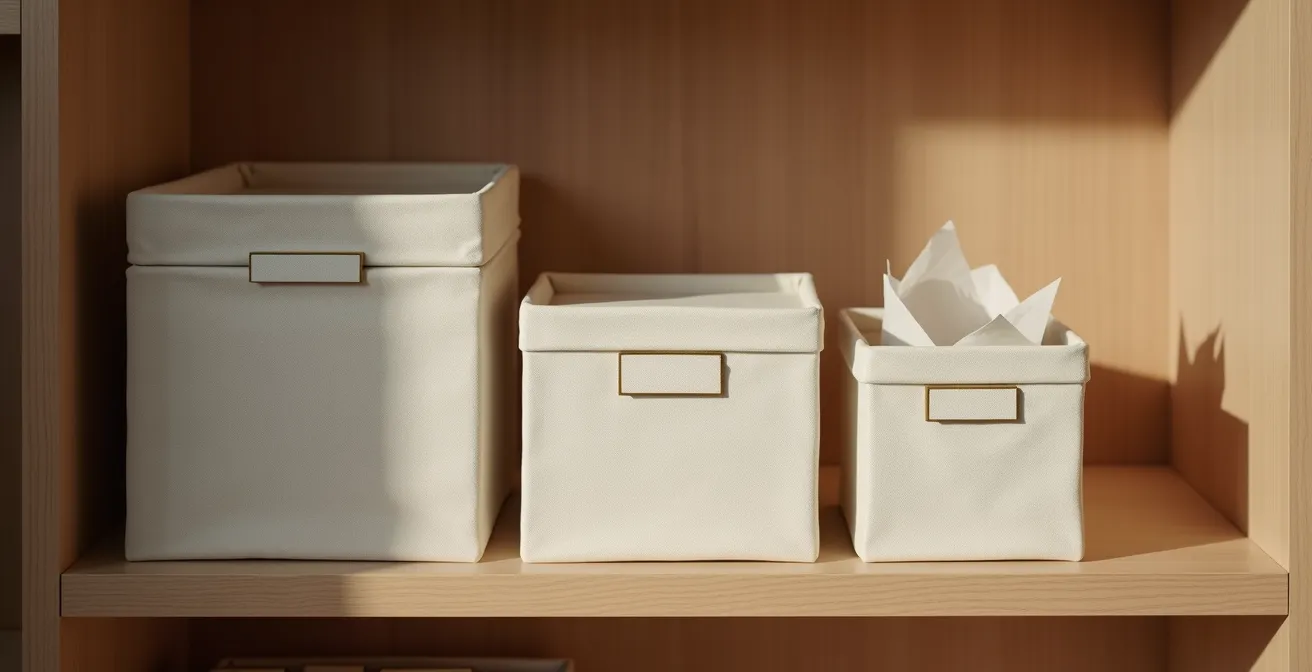
When the season changes, you swap out the entire capsule. This dramatic shift has a much greater impact than small, piecemeal changes. To maintain a truly curated collection, apply the “one in, one out” rule. If you purchase a new statement piece, an existing one of similar scale should be retired to storage or sold. This discipline prevents the slow creep of clutter and ensures every single item in your home is there by deliberate choice.
Action Plan: Curating Your Accessory Collection
- Points of Contact: List every surface where accessories are displayed (shelves, tables, mantels). This is your canvas.
- Collect & Inventory: Gather all your decorative accessories. For each, note its material, color, and scale. This is your palette.
- Assess for Coherence: Confront each item. Does it align with your core style and the quality of your best pieces? Be ruthless.
- Sort by Impact: Create two piles: “Protagonists” (unique, high-quality, meaningful pieces) and “Supporting Cast” (simpler, complementary items).
- Plan the Rotation: Group your Protagonists and Supporting Cast into 2-3 seasonal capsules and plan their debut.
How to Create a Modern Look That Won’t Feel Dated in 5 Years?
The key to timeless interior design is to distinguish between style and trend. Trends are fleeting, but true style is built on a foundation of quality and historical context. To create a look with longevity, you must invest in pieces that are part of a larger design conversation, not just a momentary fad. The 20th century, for example, gave us enduring movements like Art Deco with its geometric forms and the 1960s with its bold counterculture shapes. Pieces from these eras, or inspired by them, remain relevant because their design language is well-established.
A practical way to apply this is the 70/30 investment rule. This principle, often cited by design experts, provides a clear framework for balancing timelessness with personality. It suggests that your space should be composed of 70% timeless foundation pieces and 30% trendy items. Your “70%” includes accessories and furniture with classic lines, made from noble materials like solid wood, leather, and stone. These are your investment pieces that will hold their value, both aesthetically and financially.
The “30%” is where you can have fun and express your personality with more trend-forward items. This could be cushions in the color of the year, a quirky lamp, or a piece of art that feels very “now.” Because they represent a smaller portion of your overall look, they can be easily and inexpensively swapped out in a few years when they start to feel dated, without requiring a complete overhaul of your space. This strategic allocation ensures your home feels current but is fundamentally anchored in enduring style, protecting it from feeling obsolete.
Why a Hand-Stitched Wallet Lasts 10 Years Longer Than a Glued One?
A hand-stitched wallet serves as a perfect microcosm for understanding the value of true craftsmanship in all luxury goods, whether it’s a handbag or a designer armchair. The answer to its longevity lies in the structural integrity of its construction. When a wallet is hand-stitched using the saddle stitch method, each stitch is formed with two needles, creating a series of independent locking knots. If one stitch were to break, the adjacent stitches would hold firm, preventing the seam from unraveling. A machine-sewn lockstitch, by contrast, forms a chain; if one thread breaks, the entire seam can quickly pull apart.
A glued wallet is even more fragile. Glue will inevitably dry out, crack, and fail over time, especially when exposed to heat, moisture, and the constant friction of being in a pocket. Stitching provides a mechanical bond that is far superior. This is the same principle that applies to high-end furniture. Original Eames chairs, for instance, are assembled with well-made parts and superior craftsmanship. Replicas often cut corners, using lower quality components and less careful assembly, which compromises their structural integrity over the long term.
When assessing quality, look for these indicators of superior construction. In leather goods, examine the thread—high-quality linen thread ages gracefully along with the leather. Check the seams for the tell-tale diagonal line of a saddle stitch. Most importantly, consider repairability. Stitched seams can be restored by a skilled craftsman, extending the life of the piece indefinitely. A glued item, once it fails, is often beyond saving. Investing in hand-stitched construction is an investment in an object that is built to last and acquire an honest patina over a decade or more, not just a season.
Key Takeaways
- Shift your mindset from “decorating” to “curating” to transform clutter into a collection.
- A single authentic statement piece with a story is more powerful than a dozen generic ornaments.
- Give your best pieces “visual respiration” by using negative space as a frame to command attention.
How to Use Flow and Color to Alter the Perceived Size of Rooms?
Your accessories are not just static objects; they are powerful tools that can manipulate the perception of your space. By strategically using color, reflectivity, and placement, you can make a room feel larger, cozier, or more connected. This is about using your collection to direct the eye and create a deliberate visual flow.
Color is one of the most effective tools. To create a sense of cohesive flow, especially in an open-plan space, you can use a consistent accent color across different zones. For example, a cobalt blue vase on the mantelpiece can be echoed by a blue-toned cushion on the sofa and a piece of art with hints of blue in the dining area. As detailed in a professional styling tip adapted for interiors, this technique of using an accessory to tie in an accent color creates a visual thread that leads the eye smoothly through the space, making it feel unified and thoughtfully composed.
Reflectivity and visual weight also play a crucial role. As the following table based on an analysis of visual techniques shows, different types of accessories have different effects on a room’s perceived dimensions.
| Technique | Effect on Space | Best Application |
|---|---|---|
| High-gloss accessories | Creates depth through reflection | Small rooms needing expansion |
| Dark statement pieces | Anchors and grounds space | Large, cavernous rooms |
| Metallic pathways | Leads eye through space | Narrow hallways or galleries |
| Consistent color accents | Creates visual flow | Open plan spaces |
By understanding these principles, you can move beyond simply placing objects and begin using them with curatorial intent. A high-gloss sculpture can add depth to a small living room, while a dark, heavy object can anchor a large, airy space and prevent it from feeling ungrounded. You are no longer just decorating; you are sculpting the experience of your room.
By embracing a curatorial mindset, you transform your relationship with the objects you own. They cease to be clutter and become a deliberate, personal exhibition of your taste and history. The final step is to apply this philosophy not as a one-time project, but as an ongoing practice. Start today by selecting one “protagonist” piece and giving it the stage it deserves.