Travel & Discovery
Travel has evolved from a privilege reserved for the few into a transformative experience accessible to millions worldwide. Yet this democratization brings new responsibilities and challenges. Modern explorers face a complex landscape where environmental preservation intersects with wanderlust, where technology both simplifies and complicates planning, and where safety preparation can mean the difference between adventure and crisis.
This comprehensive resource addresses the fundamental knowledge areas every traveler should master: sustainable tourism practices that protect the destinations we cherish, strategic planning techniques that maximize value while minimizing stress, specialized preparation for activities from underwater exploration to high-altitude trekking, and practical approaches to navigating both crowded cities and remote wilderness. Whether you’re planning your first international trip or refining your approach after decades of exploration, understanding these core principles will transform how you experience the world.
Sustainable Travel: Balancing Exploration With Conservation
The tourism industry generates significant economic benefits for communities worldwide, yet unchecked growth threatens the very ecosystems and cultural heritage that attract visitors. Sustainable travel isn’t merely a trend—it represents a fundamental shift in how we approach exploration, acknowledging that our experiences today should not compromise opportunities for future generations.
Understanding Eco-Tourism Certifications and Labels
The marketplace overflows with environmental claims, making credible certification essential for informed decisions. Reputable labels like Green Key, EarthCheck, and Rainforest Alliance certification require third-party audits verifying measurable environmental standards. These certifications typically evaluate water conservation measures, energy efficiency, waste management protocols, and community engagement initiatives.
When researching accommodations or tour operators, look for transparency about their certification process. Legitimate eco-labels provide publicly accessible criteria and audit results. Be wary of vague terms like “eco-friendly” or “green” without supporting documentation—these often signal superficial commitments rather than substantive environmental practices.
Spotting Greenwashing in Travel Marketing
Greenwashing exploits consumer environmental concern through misleading imagery and language. A hotel might prominently feature a towel reuse program while ignoring massive water waste in landscaping, or a resort may showcase solar panels that provide minimal percentage of actual energy consumption. Scrutinize specific metrics rather than accepting aspirational language at face value.
Genuine sustainability commitment manifests through comprehensive policies: documented partnerships with local communities, transparent reporting of carbon emissions, waste diversion rates exceeding industry standards, and financial contributions to conservation efforts. Ask direct questions about environmental impact and preservation funding allocation—authentic operators welcome such inquiries and provide detailed answers.
Choosing Sustainable Accommodations and Timing
Accommodation selection creates ripple effects throughout local ecosystems and economies. Small-scale, locally-owned properties typically generate greater community benefit than international chains, keeping revenue within the destination. Consider properties that employ local staff, source food from regional producers, and demonstrate cultural sensitivity through architectural design that respects vernacular traditions.
Seasonal planning significantly impacts environmental pressure. Visiting during shoulder seasons reduces strain on overtaxed infrastructure while often providing more authentic experiences. Popular destinations like Venice or Barcelona experience such severe overcrowding during peak months that resident quality of life suffers—your presence during off-peak periods helps distribute tourism benefits more evenly throughout the year.
Planning Your Journey: From Research to Booking
Effective travel planning balances spontaneity with preparation, creating frameworks that allow flexibility while protecting against common pitfalls. The explosion of booking platforms and recommendation algorithms has paradoxically made this process both simpler and more overwhelming.
Human Expertise vs Algorithmic Recommendations
Travel algorithms excel at processing vast data sets to identify patterns and predict preferences based on previous behavior. They efficiently filter thousands of options down to manageable selections. However, algorithms lack contextual understanding of your specific situation, cannot account for unique circumstances, and often prioritize platforms’ commercial interests over traveler benefit.
Professional travel advisors and specialized concierge services provide nuanced guidance that algorithms cannot replicate. They anticipate problems before they arise, leverage industry relationships to secure preferential treatment or upgrades, and craft hyper-personalized experiences based on conversational understanding of your priorities. For complex itineraries involving multiple destinations, special occasions, or accessibility requirements, human expertise often proves invaluable despite higher upfront costs.
Comparing Booking Platforms and Hidden Costs
Booking channels vary dramatically in pricing transparency and consumer protection. Direct booking with hotels or airlines increasingly offers price matching guarantees while providing greater flexibility for modifications. Third-party aggregators may display attractive headline prices but obscure mandatory fees until final checkout stages.
Common hidden costs include:
- Resort fees covering amenities you may not use, sometimes adding substantial percentage to advertised rates
- Service charges and credit card processing fees that inflate final totals
- Dynamic currency conversion offering unfavorable exchange rates at point of sale
- Baggage fees, seat selection charges, and meal costs unbundled from base airfare
- Cancellation or modification penalties that negate apparent savings
Calculate true total cost including all fees before committing. Read cancellation policies carefully—the cheapest rate often comes with the most restrictive conditions.
Strategic Timing for Better Value
Booking timing involves strategic calculation rather than arbitrary rules. Airline pricing algorithms adjust rates based on demand forecasting, competitor pricing, and seat inventory. For international flights, research suggests booking windows between three to six months prior often yield optimal pricing, though this varies by route and season.
Accommodation pricing follows different patterns. Hotels may offer last-minute discounts to fill inventory, but popular properties in high-demand destinations sell out months in advance. Monitor pricing trends for your specific destination, and consider using price tracking tools that alert you to significant fluctuations. Flexibility with travel dates, even by a few days, can unlock substantial savings.
Underwater Adventures: Snorkeling and Diving Essentials
Underwater exploration opens remarkable windows into marine ecosystems, offering perspectives impossible from land or surface. These activities range from accessible snorkeling requiring minimal equipment to technical diving demanding extensive training and preparation.
Snorkeling: Accessible Ocean Discovery
Snorkeling provides low-barrier entry to underwater observation, requiring only basic swimming ability and simple equipment. Proper mask fit determines comfort and safety—the mask should create gentle suction when held to your face without using the strap. Test for leaks before entering deep water, and choose masks with tempered glass rather than plastic lenses for clarity and safety.
Mask fogging frustrates beginners but resolves through simple prevention. New masks retain manufacturing residue that promotes condensation; thoroughly scrub the lens interior with toothpaste before first use. Commercial anti-fog solutions or even saliva create temporary barriers against fog formation. The technique matters as much as equipment—breathing calmly through your mouth rather than nose reduces moisture accumulation inside the mask.
Current awareness transforms snorkeling from exhausting exercise into effortless gliding. Research typical current patterns at your chosen location, and position yourself to drift with the flow rather than fighting against it. This approach conserves energy while covering greater distance, though it requires planning your exit point and potentially arranging transportation back to your starting location.
Scuba Diving: Technical Preparation and Safety
Scuba diving demands comprehensive training in underwater physics, physiology, and emergency protocols. Certification through recognized organizations ensures competency in decompression theory—understanding how nitrogen absorption at depth requires controlled ascent rates and sometimes staged stops to prevent potentially fatal decompression sickness.
Neutral buoyancy mastery separates novice from experienced divers. Achieving perfect buoyancy through precise weight distribution and breath control prevents reef damage from accidental contact, reduces air consumption, and enables effortless underwater positioning. This skill requires practice in controlled environments before attempting challenging dive sites.
Modern dive computers have largely replaced manual dive tables, continuously calculating nitrogen loading and providing real-time decompression limits. When selecting a computer, prioritize conservative algorithms, intuitive displays readable in low-light conditions, and user-replaceable batteries. Always dive within your certification limits and maintain appropriate surface intervals between dives to allow nitrogen off-gassing.
Panic prevention begins with acknowledging that underwater anxiety affects even experienced divers. Establish pre-dive buddy communication protocols, practice emergency procedures until they become automatic, and never hesitate to abort a dive if you feel uncomfortable. Most diving accidents trace back to poor decision-making rather than equipment failure.
Mountain Expeditions: High-Altitude Safety and Preparation
Mountain environments present unique physiological challenges and objective hazards requiring specialized knowledge. High-altitude travel affects virtually every body system, while mountain weather can shift from benign to life-threatening within hours.
Physiological Acclimatization and AMS Prevention
Acute Mountain Sickness (AMS) results from insufficient acclimatization to reduced oxygen availability at elevation. Early symptoms include headache, nausea, fatigue, and sleep disturbance—easily dismissed as minor discomfort but potentially progressing to life-threatening cerebral or pulmonary edema if ignored.
Effective acclimatization follows the principle “climb high, sleep low.” Gradual ascent allows physiological adaptations: increased breathing rate, elevated red blood cell production, and improved oxygen utilization efficiency. A common guideline suggests limiting sleeping elevation increases to roughly 300-500 meters per day above 3,000 meters altitude, with rest days scheduled every 900-1,200 meters of gain.
Individual susceptibility varies unpredictably—physical fitness provides no protection against AMS. Recognize symptoms early, communicate openly with companions about how you feel, and descend immediately if symptoms worsen despite rest. Prevention strategies include proper hydration, avoiding alcohol and sleeping medications that depress breathing, and considering prophylactic medication consultation with medical professionals experienced in altitude medicine.
Navigation and Emergency Preparedness
Mountain terrain presents complex navigation challenges: trails may fade or disappear, landmarks become obscured by weather, and GPS devices fail due to battery depletion or signal loss. Traditional map and compass skills provide reliable backup, requiring practice before you need them in crisis situations.
Modern safety beacons including Personal Locator Beacons (PLBs) and satellite communicators enable emergency communication from remote areas beyond cellular coverage. PLBs transmit distress signals to rescue coordination centers via satellite, while satellite messengers allow two-way text communication for both emergencies and routine check-ins. These devices function as insurance—expensive but potentially life-saving.
Mountain weather volatility demands comprehensive emergency kits including:
- Shelter materials (emergency bivy or space blanket) for unplanned overnight exposure
- Fire-starting capability through multiple redundant methods
- Water purification for extended emergencies
- Extra food providing quick energy and morale support
- First aid supplies addressing common mountain injuries
- Illumination with backup batteries or power sources
Pack weight optimization involves ruthless prioritization—every gram matters during prolonged climbing. Evaluate each item’s necessity against its weight, choosing multi-purpose tools over specialized single-use equipment. Proper footwear selection alone significantly impacts comfort and safety, requiring adequate ankle support, waterproofing, and sole stiffness appropriate for terrain difficulty.
Urban Discovery: Navigating Popular Destinations
Major cities offer concentrated cultural experiences but increasingly struggle with over-tourism that degrades both visitor experience and resident quality of life. Strategic planning transforms rushed box-checking into meaningful engagement with urban environments.
Itinerary optimization begins with honest assessment of realistic daily capacity. First-time visitors often overestimate how many sites they can meaningfully experience, creating exhausting schedules that produce stress rather than enjoyment. Consider geographic clustering—grouping nearby attractions minimizes transit time while allowing spontaneous discoveries during walks between planned stops.
City passes bundling attraction admission and transportation access provide value for intensive sightseeing but require calculation against actual usage. These passes make financial sense only if you visit sufficient included attractions within the validity period. Many cities now offer digital passes providing greater flexibility than traditional multi-day cards.
Petty theft targets tourists displaying valuable electronics, wearing expensive jewelry, or carrying bags carelessly in crowded areas. Reduce risk through simple awareness: keep smartphones secured rather than protruding from pockets, use bags that close securely and can be positioned in front of your body, and remain alert in transportation hubs and tourist hotspots where thieves operate. Most theft relies on distraction and opportunity rather than confrontation.
Meal timing flexibility avoids tourist-trap restaurants targeting visitors unfamiliar with local dining customs. Research typical meal schedules for your destination—dining when locals eat often leads to better food quality, authentic atmosphere, and superior value. Popular restaurants may require reservations days or weeks ahead, particularly in culinary destinations where dining represents a primary travel motivation.
Family Travel: Simplifying Multi-Generational Adventures
Family travel introduces logistical complexity spanning multiple age groups with differing capabilities, interests, and needs. All-inclusive resort environments specifically address these challenges through centralized amenities, simplified budgeting, and built-in children’s programming that reduces constant parental supervision.
Resort size selection involves trade-offs between intimate atmosphere and amenity variety. Smaller properties offer quieter environments and personalized service but may lack diverse dining options or extensive activities. Large resorts provide numerous pools, restaurants, and entertainment but can feel impersonal and require substantial walking between locations—a consideration when traveling with young children or mobility-limited family members.
Efficient packing for families requires systematic approaches: creating detailed lists weeks in advance, considering laundry access to reduce clothing volume, and involving children in selecting their own entertainment items within weight limits. Many families overpack dramatically for first trips, then learn through experience what actually gets used versus what remains untouched in luggage.
Health hazards in resort environments often catch families unprepared. Food safety varies internationally—stomach illnesses can derail entire vacations. Teach children to avoid undercooked foods, unwashed produce, and ice of uncertain origin in regions with water quality concerns. Sun protection requires vigilance beyond simple sunscreen application: seeking shade during peak intensity hours, wearing protective clothing, and maintaining hydration prevents heat-related illness.
Budget optimization extends beyond headline accommodation costs. All-inclusive pricing provides predictability but may cost more than comparable self-catered options. Calculate break-even points by estimating likely food and beverage consumption, children’s activity costs, and tipping expenses. Some families find value in all-inclusive peace of mind, while others prefer flexibility and potential savings from independent meal planning.
Virtual Exploration: Remote Access to World Heritage
Digital technologies increasingly democratize access to cultural and natural treasures, removing financial, physical, and geographic barriers that previously limited who could experience significant sites. Virtual reality museum tours, 360-degree archaeological site documentation, and live-streamed nature observations create educational opportunities reaching global audiences.
These experiences serve multiple purposes: previewing destinations before committing to expensive travel, revisiting beloved places from home, providing access for individuals with mobility limitations preventing physical visitation, and preserving digital records of threatened heritage sites. The technology ranges from simple website photo galleries to sophisticated VR experiences requiring specialized headsets.
Medium selection depends on your objectives and available technology. Free online platforms offer extensive content requiring only internet-connected devices, while premium VR experiences provide immersive sensation approaching physical presence. Motion sickness affects some users during VR experiences—starting with shorter sessions and ensuring smooth frame rates reduces discomfort.
The educational value of virtual experiences continues expanding as institutions invest in high-quality content creation. These resources supplement rather than replace physical travel, offering preparation that enhances eventual in-person visits or providing access when travel remains impossible. Critically, virtual tourism generates minimal environmental impact—a consideration as we collectively address sustainable approaches to exploration and cultural engagement.
Thoughtful travel combines practical preparation with openness to unexpected discoveries, balances personal fulfillment with responsibility toward destinations and their communities, and recognizes that the journey itself often teaches as much as the destination. The knowledge areas explored here provide foundations for confident exploration, whether your adventures lead underwater, up mountains, through cities, or across digital landscapes. Each journey you undertake with increased awareness contributes to a more sustainable, equitable, and enriching future for global travel.
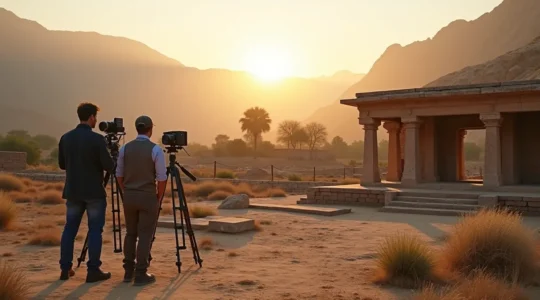
How to Use VR to Explore Fragile Sites Without Damaging Them?
Effective virtual preservation is more than just creating a 360° video; it’s about achieving digital authenticity through deliberate technical and pedagogical choices. True immersion relies on “six degrees of freedom” (6DoF) VR, allowing users to physically move through and interact…
Read more
How to Visit the Louvre or Vatican Without the 3-Hour Queues
The secret to avoiding crowds isn’t just buying a ticket in advance; it’s applying operational logistics to your entire travel plan. Strategically group attractions by geography to eliminate wasted transit time. Master the timing of your daily activities, from meals…
Read more
How to read mountain weather patterns to avoid getting stranded?
Reading mountain weather isn’t about memorizing cloud types; it’s a flawed approach that misses most environmental traps. True safety for independent hikers comes from adopting a dynamic risk assessment system. This guide, from a search and rescue perspective, reframes weather…
Read more
How to Prepare Your Body for 5000m Altitude Without Living in the Mountains
You’ve booked the trip. The flights to Kilimanjaro or Lukla are confirmed. Now, the real question looms for you, a resident of the flatlands: how do you prepare your body for the oxygen-starved environment of 5000 meters? Most guides offer…
Read more
How to manage air consumption to extend dive time by 15 minutes?
Extending dive time isn’t about magical breathing techniques, but mastering the physics of your gear and the physiology of your own body. Efficient air consumption is a direct result of minimizing physical effort, cognitive load, and physiological stress. Mastering buoyancy…
Read more
How to Safely Experience the Underwater World—No Scuba Required
The greatest barrier to a profound connection with marine life isn’t a lack of scuba gear, but a lack of specific, easily learned surface-level skills. Mastering your equipment, from preventing mask fog to choosing the right type, is the foundation…
Read more
The Parent’s Paradox: How to Actually Relax on Vacation with Young Children
A truly relaxing family vacation hinges not on the destination, but on mastering a system of ‘frictionless transitions’ that pre-empts common stress points. Proactive logistics in packing and meal planning eliminate the most frequent sources of parental anxiety. Viewing amenities…
Read more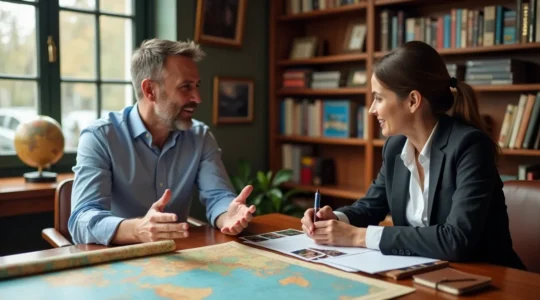
Beyond the Algorithm: How to Design a Trip That Truly Reflects You
True travel personalization isn’t about browsing more options; it’s about applying curated intelligence that algorithms simply cannot replicate. Human travel advisors leverage personal relationships and proprietary systems to secure upgrades and manage crises in real-time. A well-designed itinerary is paced…
Read more
How to Attract High-Value Tourists While Regenerating Your Local Ecosystem
The most profitable tourism model isn’t about luxury; it’s about making ecological and cultural regeneration your core, premium product. True high-value tourists are defined by their motivations (conservation, learning, connection), not just their budget. Replacing superficial ‘green’ gestures with transparent,…
Read more